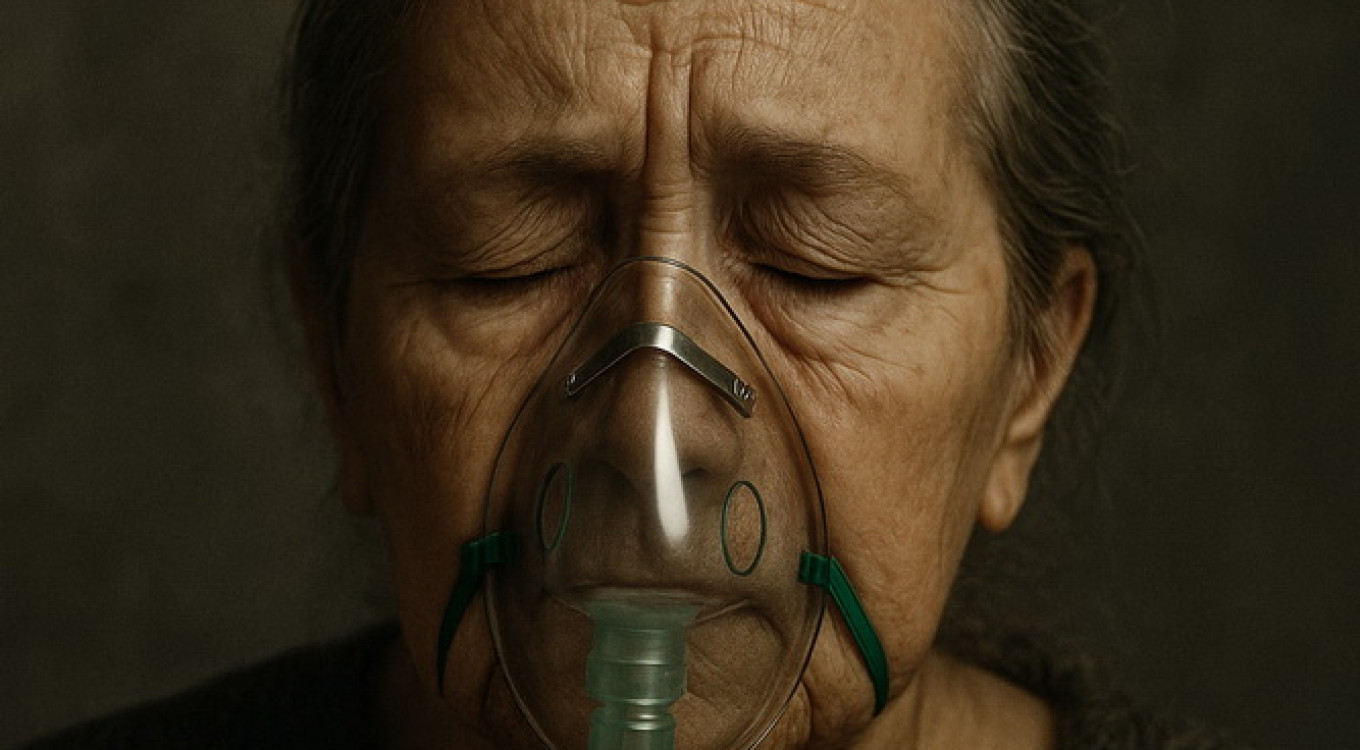
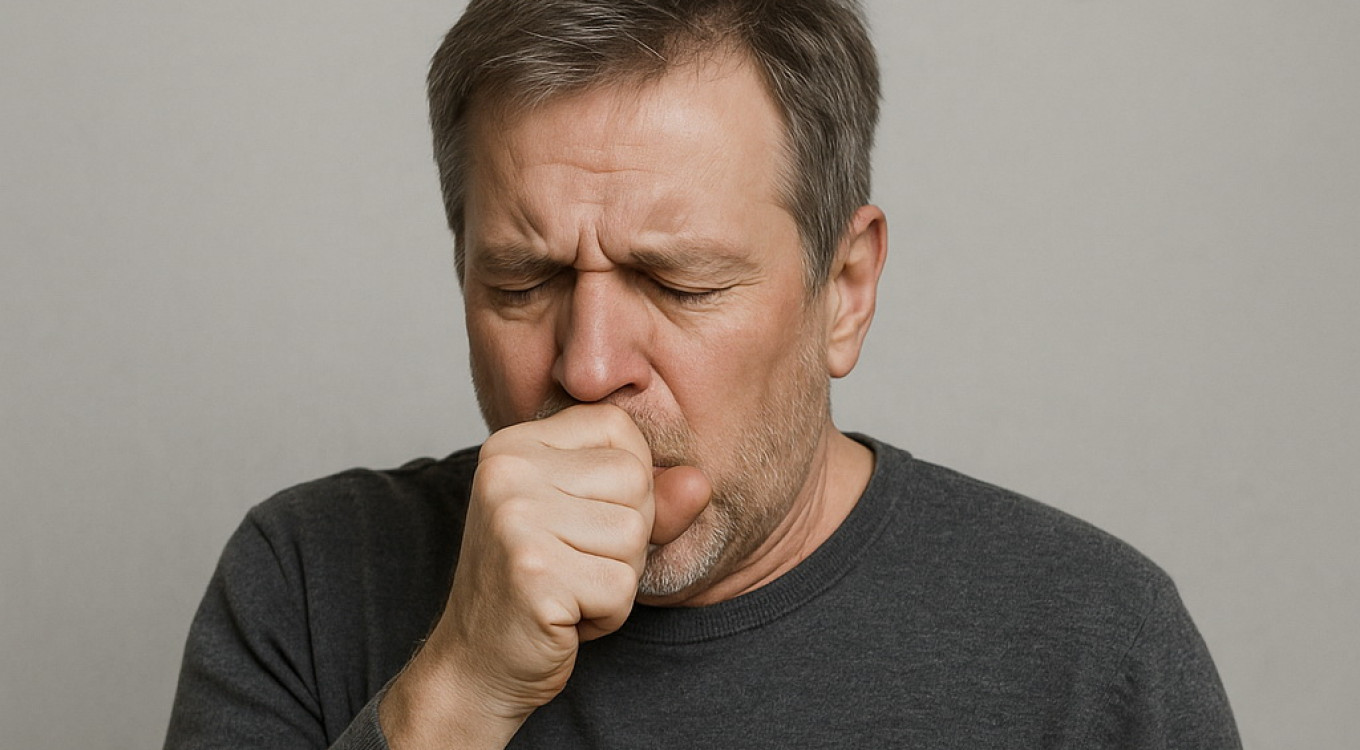
What is the lung? What does gas exchange mean? What diseases affect the lung? What is COPD? What are the symptoms? What is the main cause? What test is used for a confirmed diagnosis?
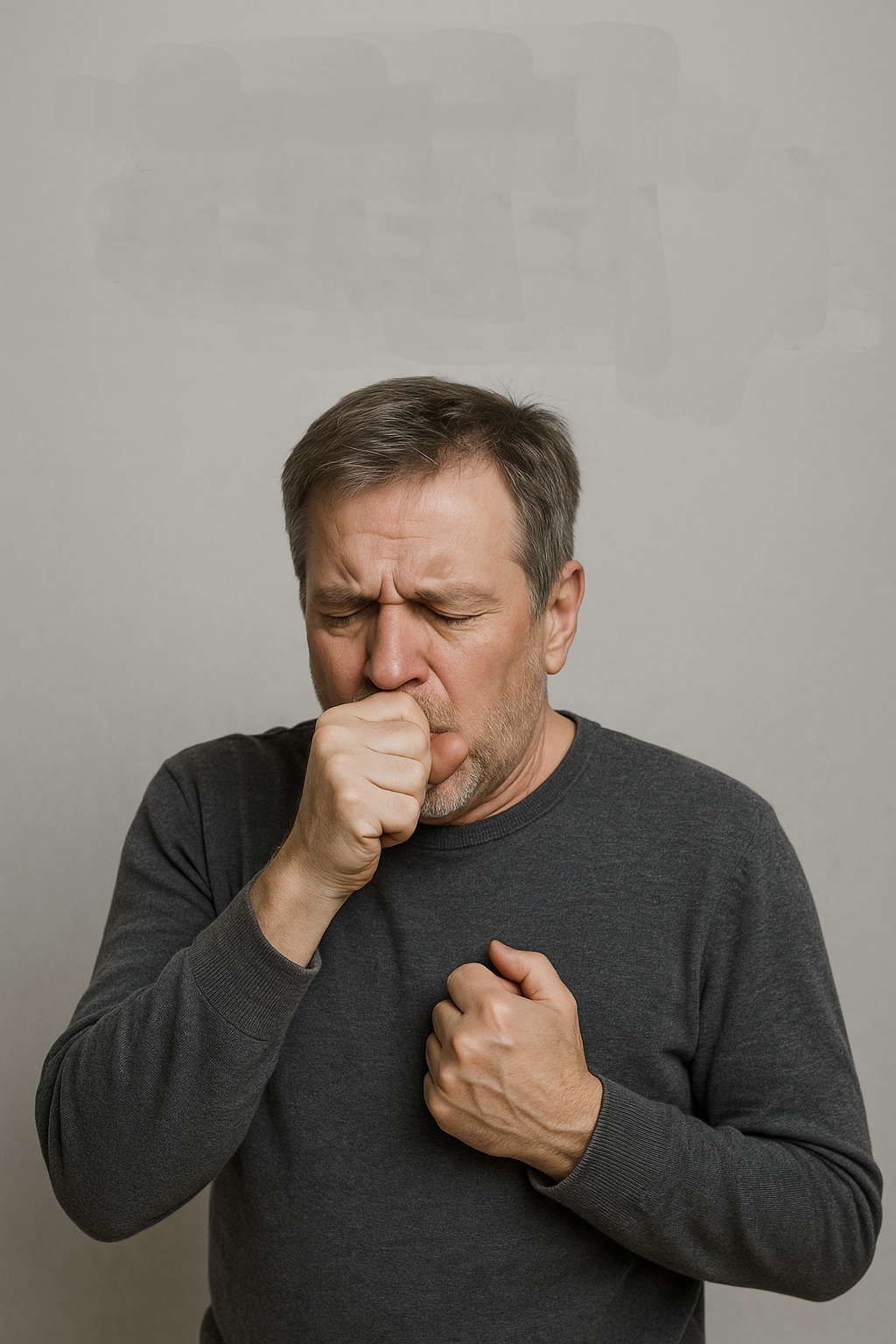
CHRONIC OBSTRUCTIVE PULMONARY DISEASE (COPD) What Is the Lung? The lung is an organ of the respiratory system. The process of breathing is carried out by the lungs, during which oxygen (O₂) enters the body during inhalation, and carbon dioxide (CO₂) is expelled during exhalation.
What Does Gas Exchange Mean? Oxygen enters the body, enabling aerobic metabolism in various organs, while at the same time carbon dioxide—produced in the tissues during the breakdown of nutrients—is removed. This process is called gas exchange in the lungs.
What Diseases Affect the Lungs? Several conditions can affect the lungs, which may be either restrictive or obstructive in nature. One obstructive disease is Chronic Obstructive Pulmonary Disease (COPD).
What Is COPD? COPD is not a single disease, but rather an “umbrella term” used to describe chronic lung conditions that cause airflow limitation. The gradual obstruction of the airways is due to chronic bronchitis or pulmonary emphysema, both of which are included in the diagnosis of COPD.
What Are the Symptoms? This progressive disease causes breathing difficulty (shortness of breath), mainly in middle-aged individuals, and worsens over time. Patients diagnosed with COPD commonly present with:
-
Persistent cough
-
Increased mucus and sputum production
-
Shortness of breath
-
Wheezing and chest tightness
-
Impaired gas exchange and cardiovascular function
-
Dysfunction of respiratory muscles, especially the diaphragm
-
Increased fatigue, increased work of breathing (WOB), and consequently reduced physical activity
What Is the Main Cause? Smoking is a major contributor and a leading cause of COPD-related lung damage. Other contributing factors include outdoor and indoor air pollution (such as the use of biomass fuels for cooking and heating), occupational dust, and chemical exposure.
Additionally, COPD may be associated with lower respiratory tract infections during childhood, impaired lung development, and it has been shown that genetic factors also play a significant role in the development of the disease.
-
Pathophysiological changes occur in the airways, lung tissues, and pulmonary blood supply
-
Increased airway resistance, air trapping, and reduced lung compliance lead to increased work of breathing and shortness of breath
-
Individuals tend to avoid or limit physical activity, which in turn results in reduced exercise tolerance and increased anxiety, disability, and poor quality of life
What Happens in the Body With COPD?
What Test Confirms the Diagnosis? Spirometry, performed by a specialist pulmonologist.
This test evaluates lung function and can accurately measure airflow obstruction, allowing for a confirmed diagnosis of COPD.
What Is the Role of Physiotherapy? After diagnosis, pulmonary rehabilitation is required and is provided by a specialized physiotherapist.
The goals of physiotherapy are to:
-
Reduce the work of breathing and improve exercise tolerance
-
Re-educate breathing patterns (where possible)
-
Control dyspnea through specific relaxation positions
-
Clear the airways and remove secretions using exercises and specialized devices (e.g. Tri-flow)
-
Improve alveolar ventilation
-
Practice exhalation with pursed lips
-
Activate respiratory muscles for better lung mobility
Overall, physiotherapy leads not only to an improvement in lung function, but also to a general improvement in overall health status.
Santoriniou Maria-Georgina
BSc, MSc, NDT – Physiotherapist
KDIF EFALTIRIO
Chen, W., Sin, D. D., FitzGerald, J. M., Safari, A., Adibi, A., & Sadatsafavi, M. (2019). An Individualized Prediction Model for Long-term Lung Function Trajectory and Risk of COPD in the General Population. Chest. https://doi.org/10.1016/j.chest.2019.09.003
Crisafulli, E., Costi, S., Fabbri, L. M., & Clini, E. M. (2007). Respiratory muscles training in COPD patients. International Journal of COPD. https://doi.org/10.2147/copd.2007.2.1.19
Fernández-Villar, A., Represas-Represas, C., Mouronte-Roibás, C., Ramos-Hernández, C., Priegue-Carrera, A., Fernández-García, S., & López-Campos, J. L. (2018). Reliability and usefulness of spirometry performed during admission for COPD exacerbation. PLoS ONE, 13(3). https://doi.org/10.1371/journal.pone.0194983
PAUWELS, R. A., BUIST, A. S., CALVERLEY, P. M. A., JENKINS, C. R., & HURD, S. S. (2001). Global Strategy for the Diagnosis, Management, and Prevention of Chronic Obstructive Pulmonary Disease. American Journal of Respiratory and Critical Care Medicine, 163(5), 1256–1276. https://doi.org/10.1164/ajrccm.163.5.2101039
Rogliani, P., Ora, J., Puxeddu, E., & Cazzola, M. (2016, November 30). Airflow obstruction: Is it asthma or is it COPD? International Journal of COPD. Dove Medical Press Ltd. https://doi.org/10.2147/COPD.S54927
Ubolnuar, N., Tantisuwat, A., Thaveeratitham, P., Lertmaharit, S., Kruapanich, C., & Mathiyakom, W. (2019). Effects of breathing exercises in patients with chronic obstructive pulmonary disease: Systematic review and meta-analysis. Annals of Rehabilitation Medicine, 43(4), 509–523. https://doi.org/10.5535/arm.2019.43.4.509
World Health Organization . Geneva, Switzerland: World Health Organization; c2019. Chronic respiratory disease: burden of COPD [Internet] [cited at 2019 Jul 1]. Available from: https://www.who.int/respiratory/copd/burden/en/