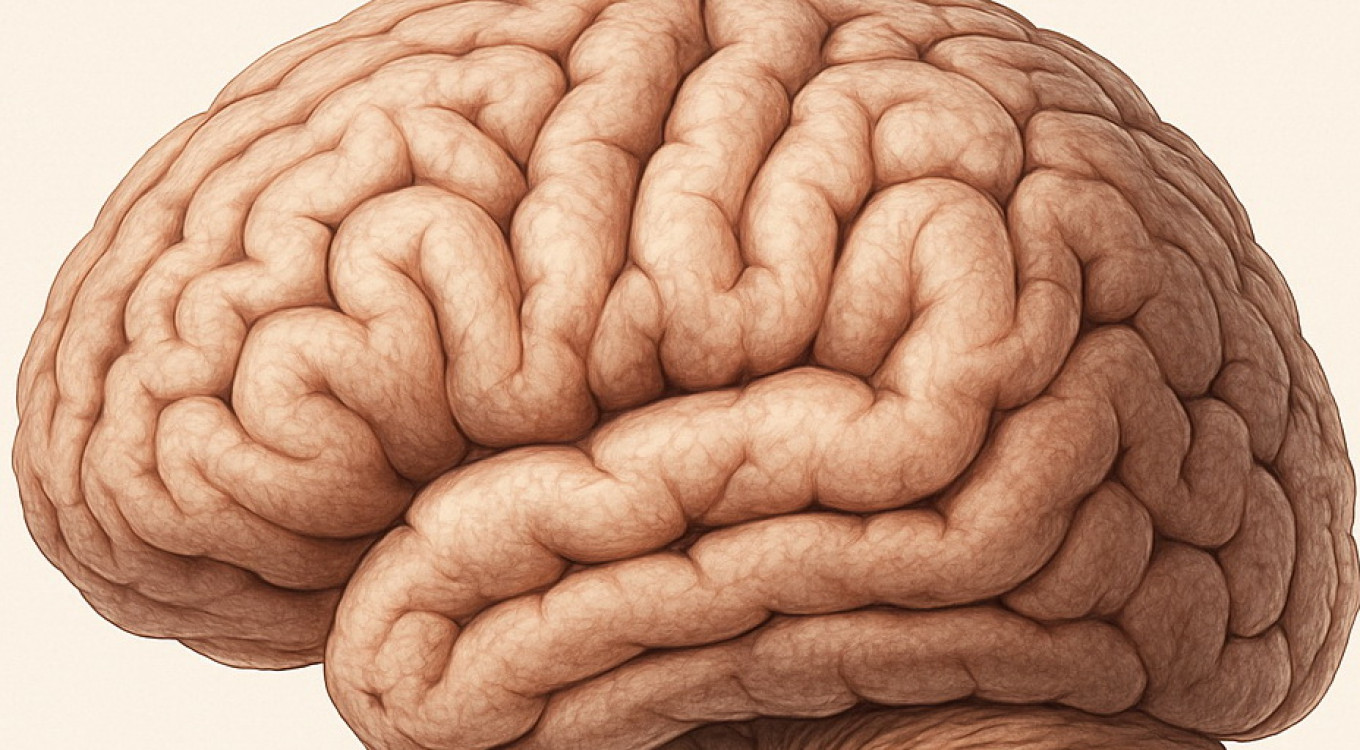
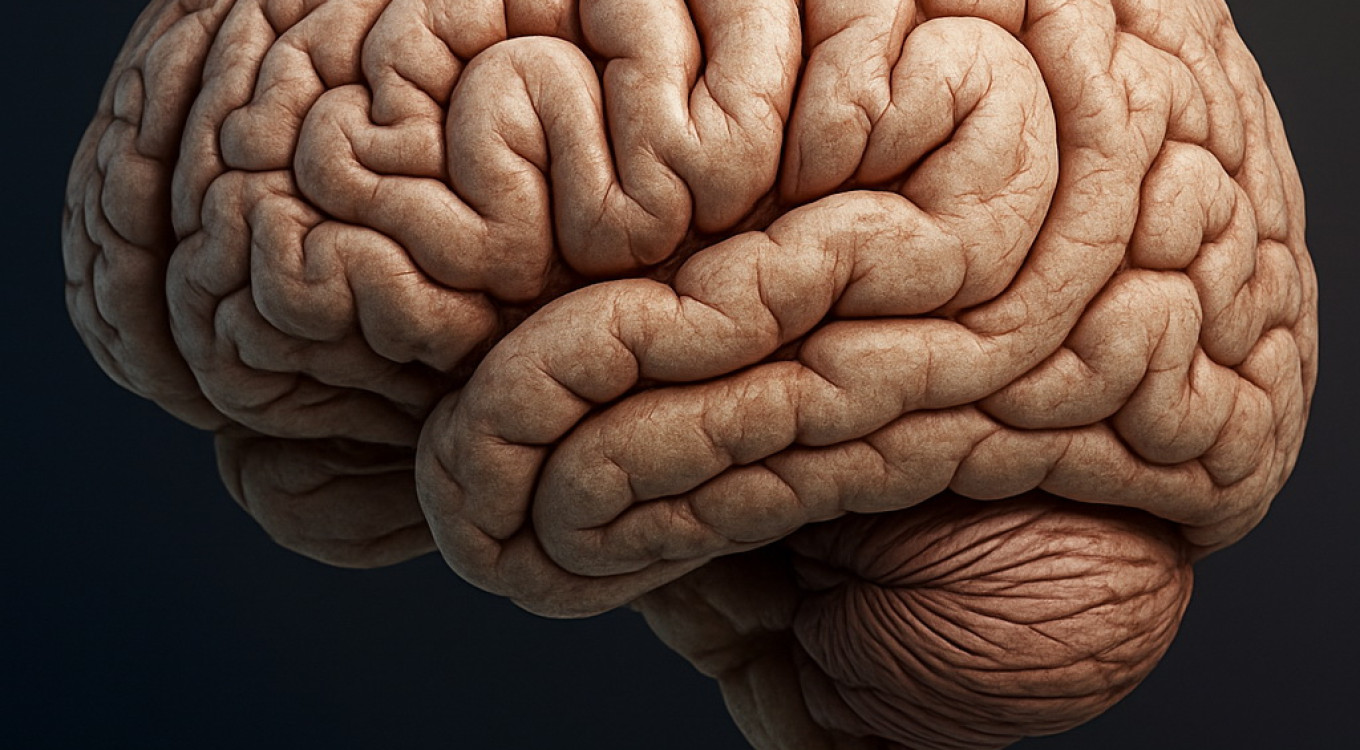
What is brain plasticity? What is neuroplasticity? Can the brain repair an injury? Do only patients exhibit neuroplasticity? Is there, therefore, the birth and development of new neurons in our brain? In which part of the brain does neurogenesis occur? Can exercise help in neurodegenerative diseases? What is the role of physiotherapy in an individual’s neuroplasticity?
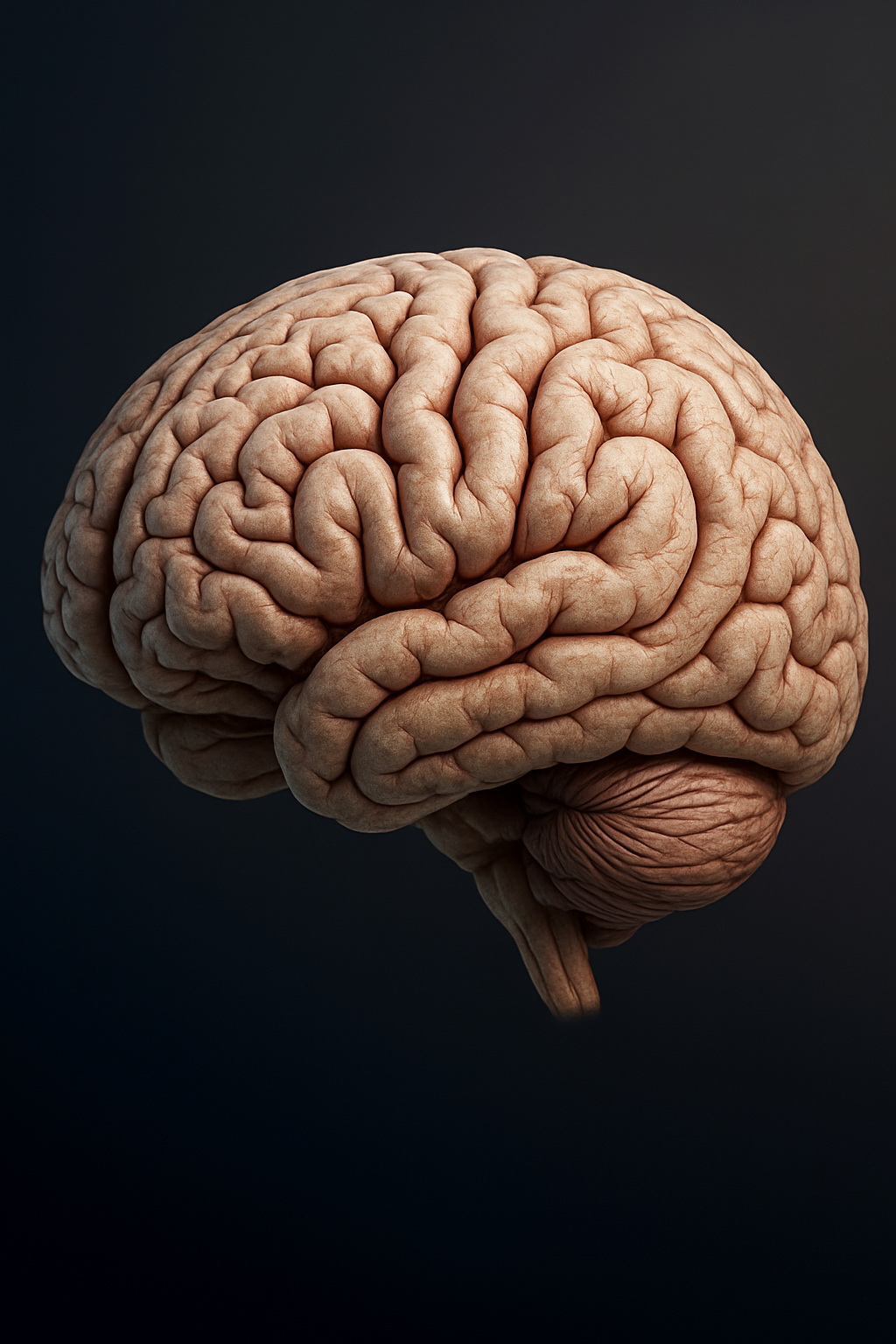
The study of brain neuroplasticity is of particular interest in patients with neurodegenerative diseases, such as Alzheimer’s disease, Parkinson’s disease, multiple sclerosis, stroke, and others.
What Is Brain Plasticity? The brain has the ability to transform, change, and redesign its structure, anatomy, and physiology. This is a process that undergoes modifications without disorganization.
What Is Neuroplasticity? Neuroplasticity has been extensively studied across many fields, as the concept of brain plasticity has long been central to neuroscience. In simple terms, neuroplasticity is the brain’s ability to reorganize its structure and function in response to environmental (external) stimuli, and not only to them.
Can the Brain Repair an Injury? The nervous system is not static. Neuroplasticity is a widespread phenomenon in nervous system function. Spontaneous recovery can occur after a stroke. Representations of sensory and motor areas can be modified through environmental stimulation during the processes of learning and memory.
This is achieved through physiotherapy strategies applied during recovery, which positively influence neuroplasticity.
Do Only Patients Exhibit Neuroplasticity? The human brain has the ability to create new synapses between neurons and form new networks for faster and more efficient transmission of electrical signals—meaning faster communication within the brain.
This occurs not only after injury, but also with every new learning experience (learning a foreign language, a new dance, etc.). Through repeated practice, synaptic transmission is strengthened, improving internal communication.
Importantly, the healthy brain can also continuously improve performance and change—either for the better (positive neuroplasticity) or for the worse (negative neuroplasticity).
Is There Birth and Development of New Neurons in the Brain? Daily activity, learning, and training significantly influence brain function. The development of proper connections via axons and synapses, along with the release of chemical substances, is a continuous and complex process.
Throughout life, the number of synapses and neural networks can increase. Many studies have shown that exercise can induce angiogenesis, neurogenesis, and synaptogenesis in the brain, while also reducing neurodegeneration.
“The mind is not a vessel to be filled, but a fire to be kindled.”
Plutarch
Where in the Brain Does Neurogenesis Occur? The generation of new neurons can be observed in various regions of the brain. One of the most important is the hippocampus.
Brain neuroplasticity is crucial because it can help repair brain injuries and support the subsequent restoration of an individual’s functionality.
Can Exercise Help in Neurodegenerative Diseases? Exercise has beneficial effects for individuals with neurodegenerative diseases, as it improves the production of neurotrophic factors, neurotransmitters, and hormones.
This neuroprotection is associated with the prevention of neuronal cell death by intervening in and inhibiting the pathogenic processes that lead to cellular dysfunction and death.
The concept of neuroprotection has attracted significant interest in the scientific community in the search for new therapies that help preserve brain tissue and improve overall outcomes.
What Is the Role of Physiotherapy in Neuroplasticity? Among many approaches, patients with hemiplegia may benefit from:
-
Proprioceptive Neuromuscular Facilitation (PNF)
-
Neurodevelopmental Treatment (NDT) / Bobath
-
Constraint-Induced Movement Therapy (CIMT)
-
Task-oriented training
-
Neuromuscular coordination exercises, based on an individualized program for each patient
Experience- and learning-dependent plasticity forms the core mechanism behind these neuroplastic changes.
By Maria-Georgina Santoriniou
BSc, MSc, NDT – Physiotherapist, Author
KDIF EFALTIRIO